How To Identify Asbestos

A key aspect of a safe and complete asbestos risk assessment is the inclusion of a hazardous substance risk assessment form. This is not something that should be taken lightly as asbestos in homes is a real risk in any property built before 1990. Therefore knowing how to identify asbestos is a critical step in any type of asbestos training.
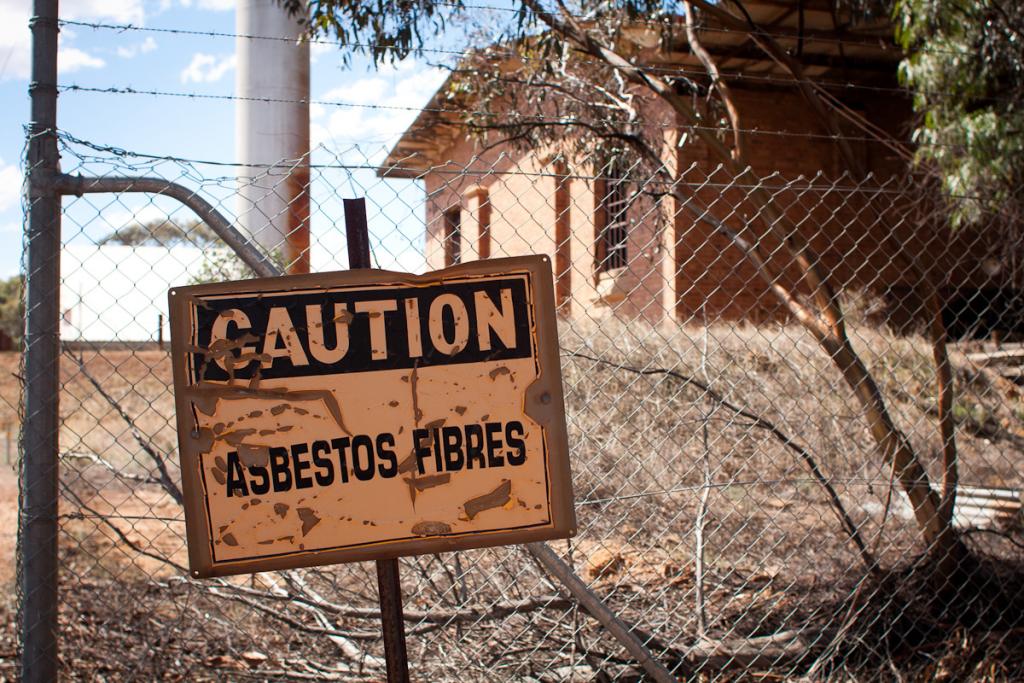
But this can be an expensive option. If you wish to test any material you suspect of containing asbestos, you can contact the National Association of testing Authorities for an independent evaluation. With over 3000 asbestos containing products used in construction prior to 1990, professional consultation and testing is the safest option for the identification of this highly hazardous material. But there are several common characteristics of asbestos containing materials.

Warning signs: look for any warning signs or labels that indicate the existence of asbestos.

Age: any property built before the late 1980’s could contain asbestos. Consult with local authorities, the structure’s builder, previous owners and neighbours.

Fasteners and joints:  check the battens used to to cover the joints between sheets of asbestos containing materials like AC sheeting. Any broken battens, gaps in joiners or loose nails, can indicate the presence of asbestos.
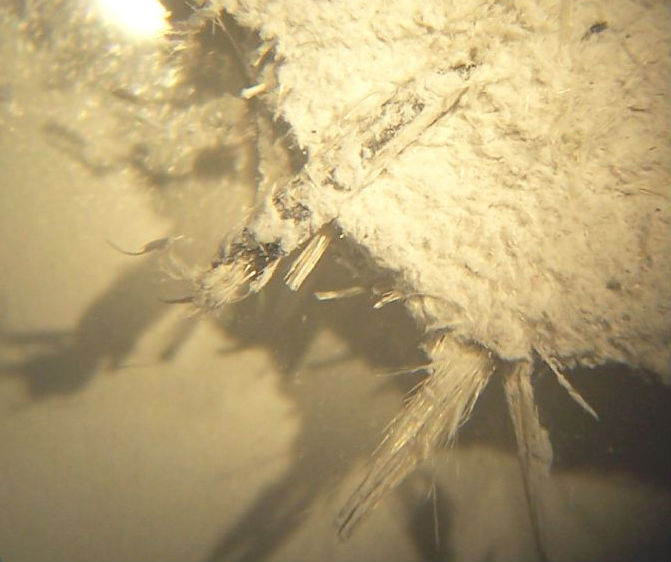
Close inspection: if you have a digital camera with a macro mode function, use it to take a close up photo of the material. Asbestos fibres are microscopic but the strands that are made up of these fibres can often be found clumped together (see left image for example). Note: never break the material apart to check as it could release asbestos fibres into the immediate area. 

It must be noted that these are initial steps and cannot guarantee the total identification of all asbestos materials. For that, an accredited asbestos specialist will need to be engaged.
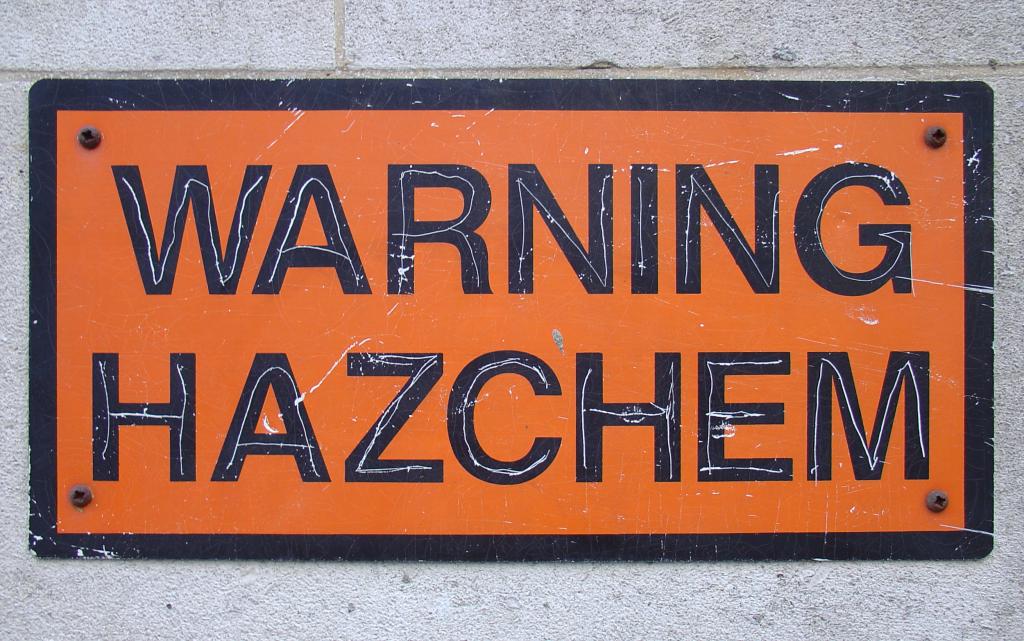
Hazardous Substances Risk Assessment

Managing risk can be a complicated task especially when looking at a risk assessment for chemicals. This is a whole new ball game for risk management consultants and the harmonisation of regulatory frameworks don’t make this any clearer. The problem hazardous substances (or chemicals) have in high risk construction work is that the

ordinary worker won’t know how to identify the specific elements and compounds that make a substance hazardous, nor have an in depth understanding of the appropriate control measures.

To soften the inherent risks involved to the maximum degree possible, Safe Work Australia and the relevant state regulators require the importers and manufacturers of hazardous chemicals to provide a Safety Data Sheet (SDS) to the people or organisations using their product. The SDS provides the PCBU and workers with information on the dangers involved with a substance, the controls methods and forms of treatment should an incident occur. All this information is vital in the writing of a compliant hazardous substances risk assessment.

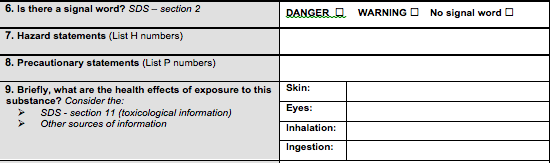
A hazardous substance risk assessment form differs from other risk assessment in construction in that it must include information such as the health effects, signal words, precautionary details, control measures and recommended protective equipment that are outlined in the SDS. An example of this in a risk assessment form is below.

That all being said, the underlying elements of a compliant risk assessment for construction, including the hierarchy of control measures, remains largely the same. Hazard and risk identification, the implementation of control measures, the duty of care and review process, all remain core components of a hazardous substance risk assessment.

For more information, read Safe Work Australia’s guide for the preparation of Safety Data Sheets.

The Codes of a Chemical Risk Assessment

Chemistry is complicated stuff and a risk assessment for chemicals is no different. The range of hazardous chemicals used in the Australian construction industry is only overshadowed by the number of risks associated with them. A chemical risk assessment must take all of these inherent dangers into account but understanding every substance or chemical, along with the

associated risks and hazards, is not a reasonably practicable option for most construction businesses.

Therefore the Safe Work Australia provides list of codes used in Safety Data Sheets to explain the various hazards and risks associated with hazardous chemicals. This resource is provides both construction workers and managers with quick and easy to understand explanations of each chemical code and the related hazard.

Your hazardous substances risk assessment should then include these codes in the risk identification process when applicable. The benefit of including this in your chemical risk assessment form is that it not only improves how workers understand the risk involved with hazardous chemical but it also displays an attempt on behalf of the PCBU to ensure a safe working environment.

To improve your chemical risk assessments along with your workplace health and safety, you can access a full list of the codes here.

Working in Confined Spaces Risk Assessment

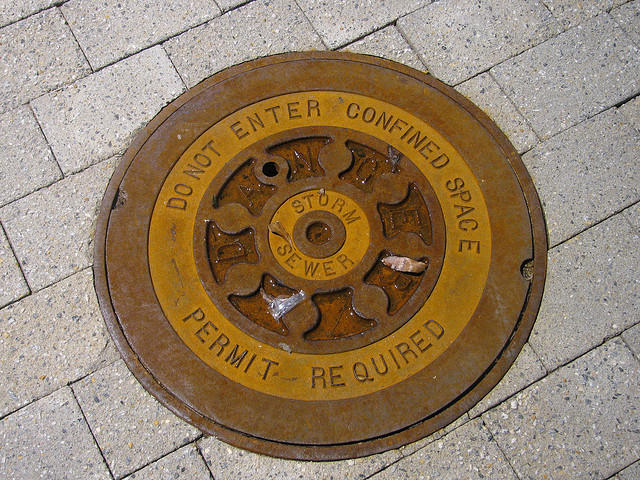
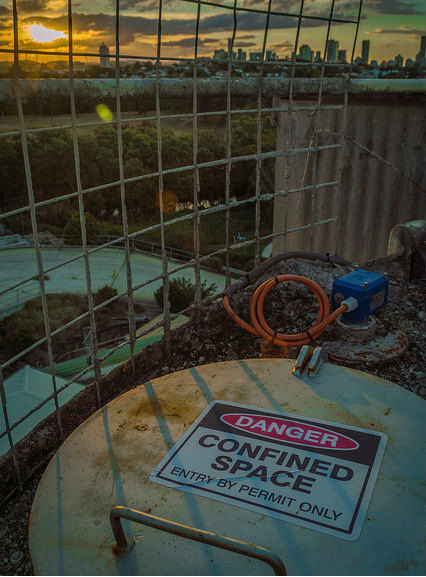
Whether you work in an office or under the sun, sometimes everyone feels like they’re working in a tiny, unescapable box. When it comes to high risk construction work however, there is a specific meaning for working in confined spaces. This affects the many different factors a confined spaces risk assessment must take into account when conducting hazard management.

Regulation 5 of Australia’s Work Health and Safety Regulation defines a confined space based on to the hazards associated with it. Under this definition and under the codes of practice outlined by Safe Work Australia, a confined space means an enclosed or partially enclosed space that:

o is not designed or intended primarily to be occupied by a person; and

o is, or is designed or intended to be, at normal atmospheric pressure while any person is in the space; and

o is or is likely to be a risk to health and safety from:

  • an atmosphere that does not have a safe oxygen level, or contains contaminants, including airborne gases, vapours and dusts, that may cause injury
  • fire or explosion, or harmful contaminants
  • engulfment.
  • examples may include vats, tanks, pits, pipes, ducts, flues, chimneys, silos, containers, pressure vessels, underground sewers, wet or dry wells, shafts, trenches, tunnels

Many of the generic risks involved with working in confined spaces include:

o loss of consciousness, impairment, injury or death due to the immediate effects of:

  • airborne contaminants
  • fire or explosion from the ignition of flammable contaminants
  • difficulty rescuing and treating an injured or unconscious person

o asphyxiation resulting from oxygen deficiency or immersion in a free-flowing material such as grain, sand, fertiliser, water or other liquids.

An effective and compliant confined space risk assessment example will take notice of these generic but identifiable hazards:

  • Restricted entry or exit
  • Presence of harmful airborne contaminants
  • Unsafe oxygen levels caused when oxygen in the atmosphere is:
  • Fire and explosion
  • Unstable substances that risk engulfment
  • Uncontrolled introduction of substances
  • Contact with biological agents
  • Exposure to mechanical hazards
  • Contact with electrical hazards
  • Skin contact with hazardous substances (this will require a hazardous substances risk assessment)
  • Noise
  • Manual tasks
  • Radiation
  • Environmental hazards

For more details on these hazards and the related risk control measures, read the SafeWorkPro Blog.

Control Measures for Confined Space Safe Work Procedure

In previous articles on the SafeWorkPro Blog, we’ve looked at the risks and hazards of working in confined spaces. But what good is a risk if there no control measures?

Below is an extensive list taken the codes of practiceby Safe Work Australia, that outline the various control measures available to construction workers and PCBU’s involved in high risk construction workBefore conducting work in a confined space, it is strongly recommended that all duty holders consult this list, and more importantly, the relevant codes of practice.  The control measures outlined by Safe Work Australia include:

Entry permit: A PCBU must not allow or direct a worker to enter a confined space to carry out work unless the person has issued a confined space entry permit for the work. A space entry permit must be completed (in writing) by a competent person and specify:

  • specify the confined space to which the permit relates record the names of persons permitted to enter the confined space and the period of time that the work will be carried out
  • set out risk control measures based on the risk assessment, and contain space for an acknowledgement that work in the confined space has been completed and all persons have left the space.


Isolation: All potentially hazardous services should be isolated prior to any person entering the confined space. These services may include piping, vents, drains, conveyors, service pipes, machinery, plant, electrical equipment or fire protection equipment.

  • Physically tag, lock, close or blank hazardous service
  • Removal of valve, spool piece or expansion joint in piping that leads to confined space
  • Remove energy source to any agitator, fans or other moving parts in a confined space (if energy source cannot be removed consider choking, wedging, chaining or removing any moving parts)
  • Reduce any device with stored energy including hydraulic, pneumatic, electrical, chemical, mechanical, thermal or other types of energy, to a condition of zero energy


Atmosphere conditionsa safe atmosphere has a safe oxygen level, is free of airborne contaminants o has concentrations below their allowable exposure standard, has concentrations of flammable gas or vapour below 5% of its LEL. Control methods include:

  • Purging: use an inert gas, such as nitrogen, to clear flammable gases or vapours out of the confined space. Following purging, the space should be ventilated with sufficiently fresh air and any removed contaminants should be expelled to a location that presents no further risk. Before conducting work in the confined space, atmospheric testing should be carried out
  • Ventilation: may be necessary to establish and maintain a safe atmosphere and temperature for as long as work is conducted in the confined space
  • Natural ventilation: only if the confined space has sufficient openings and the source of fresh is not contaminated by any exhaust or other pollutants
  • Mechanical ventilation: use local exhaust ventilation (LEV) for localised contaminant generation (eg extraction of welding fumes). LEV should be monitored during operation and have controls clearly identified, tagged and protected
  • Dilution ventilation: air must be introduced in way that ensures effective circulation through the confined space with openings, contamination level and area layout put into consideration

Respiratory protective equipment (RPE)if it is not reasonably practicable to ensure a safe oxygen level, remove the confined space of contaminants or when there is an unknown concentration of a hazardous substance is present, then respiratory protective equipment must be worn.

  • AS/NZS 1715: Selection, use and maintenance of RPE


Safety monitoring: a standby person must be assigned to the vicinity before a worker enters a confined space to continuously monitor the wellbeing of those inside the space.

  • The standby person should be aware and understand the risks inside the confined space and be able to recognise signs and symptoms of distress that workers in confined space may experience (reg 69)
  • The standby person should remain outside the confined space and do not other work that impedes their monitoring duties
  • A required rescue and safety equipment should be available to standby person
  • The standby person should have the authority to order an evacuation and never enter the space to attempt a rescue
The SafeWorkPro Blog has more information on confined spaces including how to manage the related hazards and how to define what constitutes a defined space.

What is Job Safety Analysis?

Did you know that panthers and leopards are the same animal? No jokes. Only their fur coats are different, everything else is the same. Believe it or not, job safety analysis forms are similar (minus the claws, teeth, agility and general awesomeness).

Otherwise known as a risk assessment or a job task analysis, job safety analyses (JSA for short) aim to identify hazards and implement measures that will control or at least minimise the risk involved in construction work. Job safety analysis forms come in a variety of types but all share the common traits. The below job safety analysis template comes from the Victorian WorkCover Authority and gives you an idea of correct layout.

As you can see from the above job safety analysis worksheet, there are four parts to a good JSA template.

1: Classify the tasks: along with everyone involved in the high risk construction work, write down each of the steps that make up the job.

2: Hazard and risk identification: besides each step, write down what injuries or health threats are involved.

3: Document the control measures: next to each hazard assessment, specify what control measures will be used to eliminate or reduce the risk of injury or ill health.

4: Distribute responsibility: outline who is responsible for the implementation of each control measure.

One more point that you’ll need to remember. If an incident does occur in the workplace that results in injury or ill health, your job safety analysis could very well be used in court proceedings. This means every duty holder must sign off and review the job safety analysis worksheet should safety conditions change.

So it’s all pretty similar stuff. Panther or leopard? Risk assessment or job safety analysis? Same things, different names.

Construction Safety Software: a saviour in disguise?

The internet has fundamentally changed the way we do business. Files can be instantly transferred across the world, entire encyclopaedias of information are just a click away and social media gives your target market a voice. We live in a brave new world that is both deeply interconnected and highly competitive but there is one area where recent leaps in technology are yet to touch.

Risk assessments are as much a part of high risk construction work as hard hats and steel cap boots. But whereas other industries have embraced the advantages offered by technology, safe operating procedures in Australia are still stuck in the past. Doing a risk assessment online seems like something that would have become industry standard by now, but in reality the paper-based method, although out dated and inefficient, is still the main method of handling risk and compliance in Australia. This is a problem because as OHS legislation Australia tightens and regulations intensify, the risk management process becomes far more time consuming and more costly. This is bad news for your competitiveness.

Construction risk assessment software is the solution but what it is and how it should be used properly, remains unresolved.

Until now.

Current examples of construction safety software merely provide you with a digital copy of safe work method statements and other risk assessment forms. This doesn’t do much in terms of streamlining the risk assessment process and reducing these costly drawbacks. The paperwork, even in a digital form, still needs to be completed, copied, printed, signed and stored for future compliance requests. The Risk assessment software SafeWorkPro has developed puts this entire process into one easy to use tool available on any smart phone or tablet device.

Check out how SafeWorkPro can take your construction business into the future.

The Perfect Mix: Risk Assessment Documents and Push Notifications

On a safe work site, the core ingredient will always be good communication between workers and employers. However, while almost one third of construction workers agree that conditions in their workplace stopped them from working safely, the figure reported by their employers was much lower. This gap in communication can be pinned down on two major issues; not being able to be in 101 places at once, and an inefficiency in the traditional system of paper risk assessments. In response, SafeWorkPro is bringing you much needed change for high risk construction work. We want to communicate with you how our way to resolve these issues with our epic new push notification feature!

1: Not being able to be in 101 places at once

Particularly on huge sites with numerous trades, monitoring risk assessments for any high risk assessment risk ratings can seem like a job of epic proportions. While you are likely already managing this task as fast as humanly possible, there is only so much you are physically capable of completing and you cannot be in 100 places at once. Technology is therefore the most practical solution to your efficiency problem, and no we don’t mean cloning yourself.

SafeWorkPro is bringing a much more reasonable and cost-effective answer in the form of push notifications for our mobile applications! This feature brings a whole new level of simplicity for you to the risk assessment process. Push notifications immediately display on all admin devices with the name and place of a worker who has submitted a risk asessment containing a risk rating above 15. Not only is this saving you the time and effort of individually scanning all safety documents for the warning signs of danger, but it is also improving your emergency response rates. The immediacy of the notification allows you to prioritise your duties, and attend to potential work safety emergencies as they appear.

2: Traditional methods being inefficient

Our key to solving your second dilemma lies in our computerisation of your safety documents. A major perk of this is the softwares ability to scan your workers documents for things such as a high risk assessment rating over 15. Seeing this figure would be enough to trigger your safety alarm bells, but spotting it amongst a stack of paperwork over a mile high poses a greater challenge. Allow our technology to sift through the paperwork for you!

So instead of feeling overwhelmed by safety procedures and paperwork, try turning to SafeWorkPro to improve communication of safety issues on your worksite.

What is Meant by Risk Assessment Software?

Keeping up with technological advancements in the field of hazard and risk management is tiresome and at times just too much of a hassle. But turning a blind eye to developments in the risk analysis process will come at cost to business productivity and even worker safety.

Risk assessment software is one such development and it comes in many forms with some being more useful than others.

This is all good and well but what is meant by risk assessment software? Or in other words, what is risk assessment software?

Otherwise known as construction safety software or safety compliance software, this digital tool is an alternative to the traditional, paper-based risk management process. Compliance with OHS laws and regulations is a requirement that no construction business can afford to neglect but it doesn’t need to come at the cost of productivity. This is the purpose of risk assessment software – to streamline the risk management process and reduce just how much time is spent on software-based risk assessments.

The Benefits of Software

Software like SafeWorkPro automates the risk management process through an intuitive digital form. This form organises risk assessments into a step-by-step process that can be completed within two minutes. Quicker than the paper-based method, this approach also saves previous risk assessments for future audits and allows managers to monitor their workforce’s safe operating procedures.

Successful risk assessment software basically digitalises the involved paperwork in a way that anyone, regardless of technological know-how, can use easily. Now there’s obviously a lot more too risk assessment software than that but hopefully this article gives you a basic understanding of what the technology actually is. If you would like to learn more about the benefits the SafeWorkPro software can offer your business, read our case study – the savings will surprise you.

Meet The Regulators: Workcover NSW

Workcover NSW is part of the Safety, Return to Work and Support Division (SRWSD) of the New South Wales state government. It is responsible for the determination of the general policy and strategic direction of not only Workcover NSW but also the Motor Accidents Authority of NSW and the Lifetime Care and Support Authority of NSW.  In many ways, Workcover NSW could be considered the peak regulatory body in the department of workplace health and safety, under the model of Safe Work Australia.

The decision-making body that directs Workcover NSW is comprised of four other amalgamated boards previously active in New South Wales’ safety management. Their role is to determine the future investment policies for a number of funds that fall under Workcover NSW’s mandate. On top of that role, Workcover NSW aims to improve the state’s economic competitiveness by enhancing productive health and safety practices in workplaces.

Responsibilities

  • Work health and safety: establish and maintain harmonised and consistent occupational health and safety laws, and facilitate cooperation between inter-state business and non-government organisations.
  • Licensing and registration: management of New South Wales’ high risk activities permits, licenses and registration including construction induction cards, notifications and relevant fees.
  • NSW workers compensation insurance: the provision of financial protection to workers and their employers in the event of a workplace injury or illness.
  • Workers compensation claims NSW: investigations into reports of incidents or injury, claims for workplace compensation, distribution of benefits and dispute resolution or prevention.
  • Worker rehabilitation and return to work: provides assistance for employers seeking to support workers as they return to work after a workplace injury or illness.

Compliance and Enforcement

Workcover NSW has many compliance and enforcement options at its disposal should such action be necessary. These include:

  • Compilation of information: the legal ability to obtain information from any person or organisation reasonably believed to be related to or able to give evidence about a suspected break of the Work Health and Safety (WHS) Act. For more information on this point, read the related legislation here.
  • Enforceable undertakings: a legally binding agreement which determines that a person is obliged to carry out pre-determined requirements outlined in the undertaking. Typically used as an alternative to prosecution.
  • Prosecution and court proceedings: the ability to pursue legal charges against a person or organisation suspected of breaching the WHS Act.

For more information on Workcover NSW, head to their website at www.workcover.nsw.gov.au.