
How a Simple Process Drives Safety Compliance

Safety management systems have come a long way in the last 250 years. Just think back to workplace conditions during the Industrial Revolution – almost no pay, child labour, very long hours, and extremely dangerous work conditions with exposure to chemicals, accident-prone machinery, and no WHS requirements whatsoever.
But this has changed over the years. Legal reforms and acts were introduced – the Factory Act, the Employer’s Liability Act, and finally, the 1974 Health and Safety at Work Act. This legal document became the foundation for workplace health and safety processes in the UK and the rest of the world. And it led to the increasingly more complex safety processes we have today.
The core purpose of WHS is to keep people safe. Simple. With the increasing complexity of requirements and standards, Business owners, project managers and safety officers alike have to be careful of falling into the trap of using compliance to document requirements like the SWMS as their main measure of WHS compliance. This article looks at why adhering to document requirements is a poor standalone indicator of compliance. We also suggest how a simple safety process drives the success of your WHS compliance.
Documents are Symbols of a Process
Safety isn’t symbolic. It is real and should be treated in the real world, not on a document. Safety management systems do involve documents, but they symbolise a process. For example, a SWMS is a safety planning tool that identifies the risks of high risk construction work and the actions taken to manage those risks. It symbolises the process you are going to take when dealing with the risks and making sure your workplace and its workers are safe from those risks. When it’s under the (judges) hammer, the process symbolised (documented) matters most – not the symbol or the document itself.
Downloading a generic template for your SWMS, JSA, or any other safety document is like taking the symbol without taking the process it represents. And that defeats the whole point of your safety management system and its documents. To comply with WHS requirements, you should be focusing on the processes required to keep your workplace and its workers safe – not just on the documents themselves.
WHS audits look at whether you have followed an effective process that actively reduces the risks in your workplace. They care about if you have actually provided a safe work environment. Not simply whether you have ticked the box of completing a piece of paperwork.

In 2013, The Supreme Court Qld in a case against a QLD construction company for the death of two workers cited:
“work practices focused too much on the work performed onsite and did not pay adequate attention to the dangers presented by the conditions of the site itself”
In other words, not considering risks on the ground, in the real world can have significant impacts when taken to the extremes. Focussing too hard on the details of the tasks to be completed can lead to ignoring all the risks that are actively present
What you focus on matters. And if you want to pass your WHS audit and actually keep your workers safe, then it’s time to focus on the safety management process behind the symbols and documents.
But I still go through a process when filling in a template?
Safety management systems aren’t just about the symbols. They’re about the processes behind them. But you may be wondering – isn’t downloading a generic template still technically a process? Sure. But think about this. What process is more effective at satisfying the Work Health and Safety Act requirement to provide a safe work environment? Is it:
- Find a generic SWMS template on Google, Officeworks or other source
- Complete the boxes provided by the template as best as you can
- Gather up or seek out workers individually and gather signatures
- Store it onsite until the work is done
- Transferring the document to a folder in your office when you are done with the site
Or:
- Identify a the risks onsite, in person
- Build a new SWMS or modify the existing version to cover all task & site-specific risks that are present. Pushed to everyone to sign.
- Monitor how measures are being implemented while work is being completed with real time automated risk rating notifications
- Review by anyone relevant once the work has been completed
- Automatic document storage once complete for any future audits, follow-ups, or learning
From a legal standpoint, the second option is better,
The very purpose of developing a SWMS is to ensure that employers and workers have taken the time to identify the high-risk tasks to be done on site. And then, it is to develop measures to manage these risks and tasks in the context of the work being done. The very nature of a SWMS is that it is specific. It is created specifically in response to a specific site, specific tasks, and specific risks. A generic templated SWMS will not meet the intention behind WHS requirements. Instead, it will defeat the real power of the SWMS and even take away from your safety management.
As WorkSafe Victoria explains, “our concern is not what is written but what actually happens”. A generic SWMS is a symbol of safety that only provides guidance. To focus on the process and comply with WHS requirements, your SWMS and other safety documents need to be customised. It is the second process that is more likely to pass a WHS audit because it demonstrates an active approach to creating a safe work environment. And it is the first process that will get a much more severe punishment when a safety incident does happen, even though both processes are represented by the same type of document.
How to Prioritize the Process
The simplest way to boost the effectiveness of your safety process is to use a digital safety platform like SafeWorkPro. While you can do your safety management physically or digitally, doing it digitally is what will make the difference. Why?
Safety management software simplifies your safety management. Turning a complex process into a simple, easy to understand workflow that allows for an easier way to assess, mitigate, monitor and review workplace risks of all nature. It makes sure that your safety management system is customised, comprehensive, and lets you focus on the process. Leave the document creation, distribution and storage to the software. With safety management software, you can seamlessly customise, prioritise, and ensure your safety management system and its processes exceed WHS regulations.
SafeWorkPro is the Australian safety management software that can make sure your workplace prioritises the process over the symbols.
- Customise your SWMS, JSA, or other safety documents specifically to your worksite using our flexible document builder
- Make sure your specific workplace risks are managed and your workers are safe
- Ensure your company truly complies with WHS requirements
Do all of this seamlessly and in one place with the SafeWorkPro platform. Click the button below to find out more.
More From The SafeWorkPro Blog
The Types of Asbestos
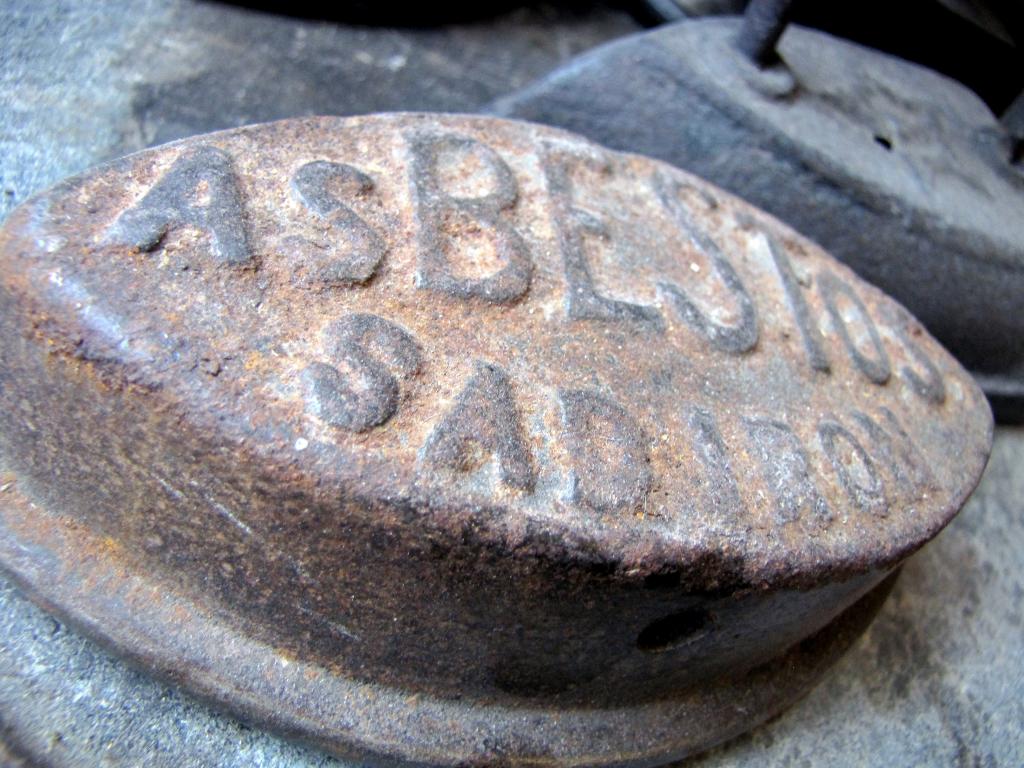
Non-friable Asbestos
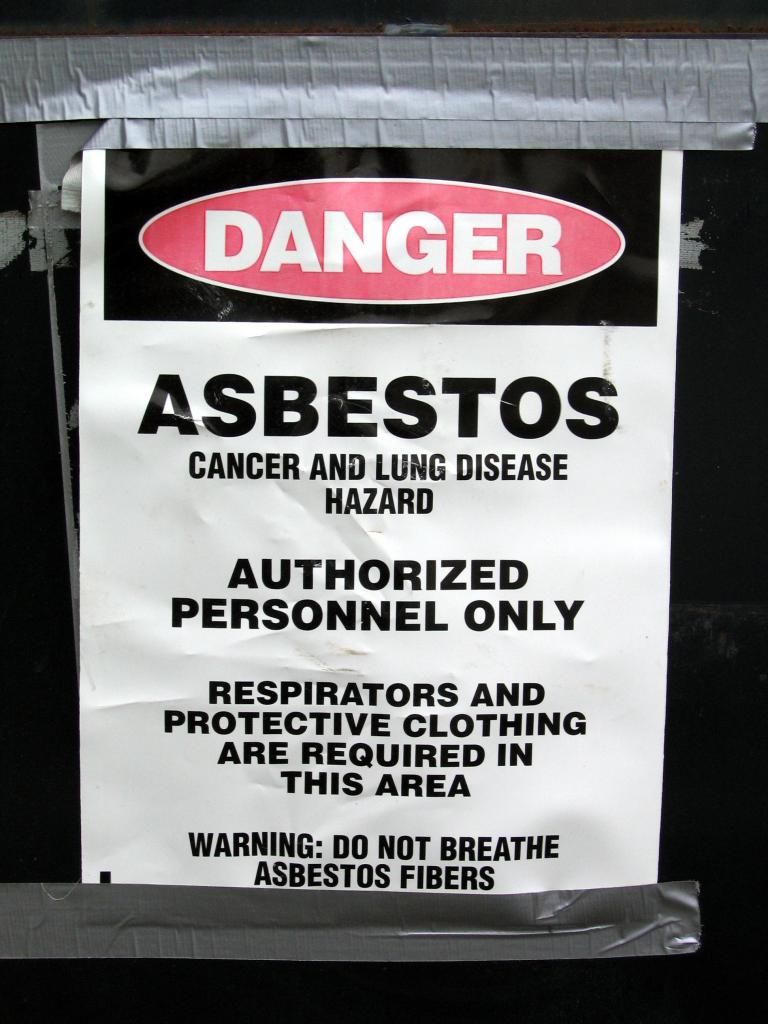
- AC wall sheeting (other wise known as fibro or asbestos cement)
- Artificial brick cladding
- Gutters
- Putty
- Garages/sheds
- Concrete formwork
- Beams
- Waterproofing materials
- Telecommunication trenches
- Fences
- Plumbing
- Switchboard backing boards
- Building boards
Asbestos containing materials (ACM) like these usually consisted of between 5 – 20 per cent asbestos. However this is not the case for vinyl tiles where the asbestos was used in the layer between the floor and the tile itself. It is estimated that between 8 – 30 per cent of this layer contains asbestos therefore due diligence is required when dealing with it.
Note: If non-friable asbestos has degraded to the extent where minimal pressure reduces it to dust, then it should only be disposed of by someone with A Class asbestos training.
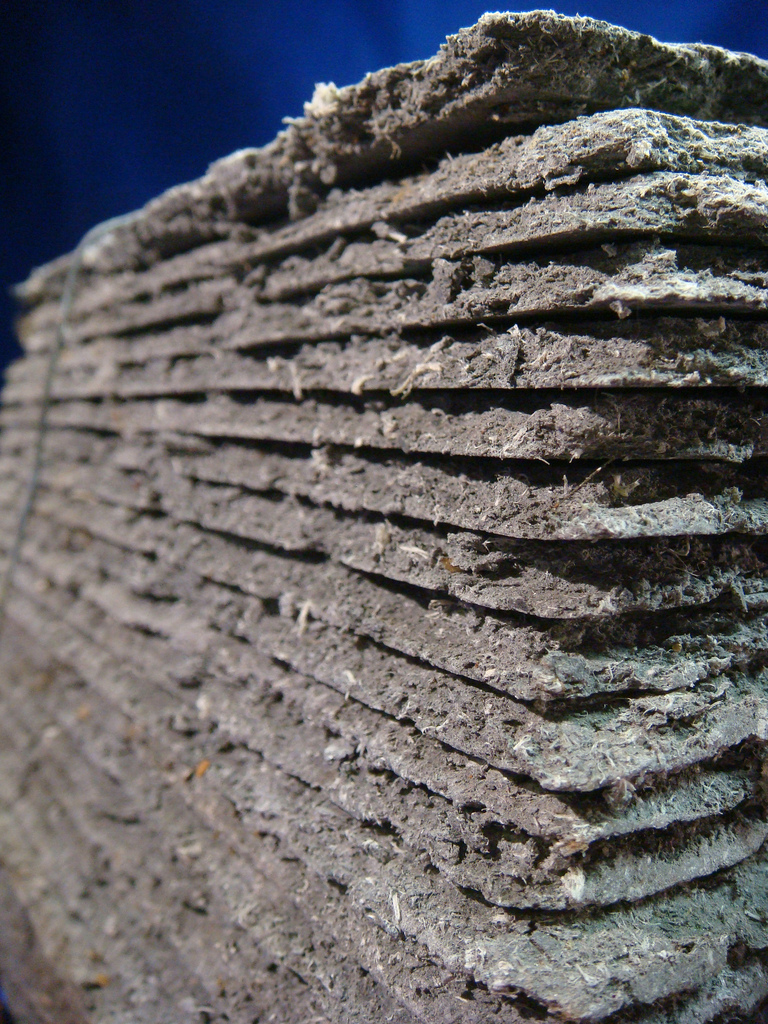
Friable Asbestos
Friable or loosely bound asbestos is generally considered to be the most dangerous form of asbestos. Primarily used in commercial and industrial buildings for fire proofing, sound proofing and insulation, friable asbestos can be reduced to dust and released into the surrounding air with very little physical effort. Friable asbestos is so dangerous because no other materials have been used to bond it together, meaning the asbestos fibres are released into the atmosphere more easily. Although mostly used in non-domestic buildings, friable asbestos is also found in old heaters, hot water systems, piping, fireplaces, vinyl floor coverings, insulation and stoves.
Low Density Board
This type of asbestos falls somewhere in between friable and non-friable but still carries the significant risk of asbestos poisoning. Similar in appearance to AC sheeting, low density board is a lightly compressed material that can contain up to 70 per cent asbestos. Used in both domestic and commercial/industrial buildings, low density board can be damaged, bent and dented with very little physical pressure. This in turn means that it has the potential to release airborne fibres far more easily.
For more information on asbestos related high risk work and the safest disposal methods, check out the SafeWorkPro Blog.
Safe Work Procedures Checklist
Safe work habits revolve around constantly checking the workplace for hazards and reviewing the OHS procedures in place. This is evident in the worksafe Australia codes of practice but if you are entering a new workplace or re-evaluating an old one, getting health and safety standards right can be challenging. Therefore it is highly important that a […]
Method Statement Template Free
Do you need a method statement free template? That’s good news and sounds like you are committing to making your workplace safe. We have plenty of method statement template free downloads for you to use. Yes, they are free! But what is the catch you ask?
The templates still need to be signed off by a qualified trades person (QTP). A QTP within your business must review the method statement example and ensure that they are satisfactory for your business. You will need to make some adjustments, as all construction method statements are different. This step is still required if you decide to purchase any method statement for construction instead, so be wary of that.
We are committed to improving safety at the workplace and we believe that by providing these free method statement examples that more businesses will be able to make better safety procedures. In turn, you will need to decide if you will be burdened with a paper-based process or streamline with a software-based solution like the one we provide.